

The Federal Reserve (often called "the Fed") is America's central bank. It makes important decisions about interest rates and the economy. Recently, there has been tension between the White House and the Fed about how independent the Fed should be from political influence.
This tension happens because politicians and Fed officials have different goals. Presidents and Congress usually want lower interest rates to help the economy grow faster. But the Fed sometimes needs to keep rates higher to control inflation (rising prices) and keep the financial system stable.
The Fed has had both successes and failures over the years. What matters most for investors is whether the Fed's policies help keep the economy stable. Jerome Powell's time as Fed Chair will end by May 2026, so investors should think about what might happen next.
The Fed's independence has changed over time
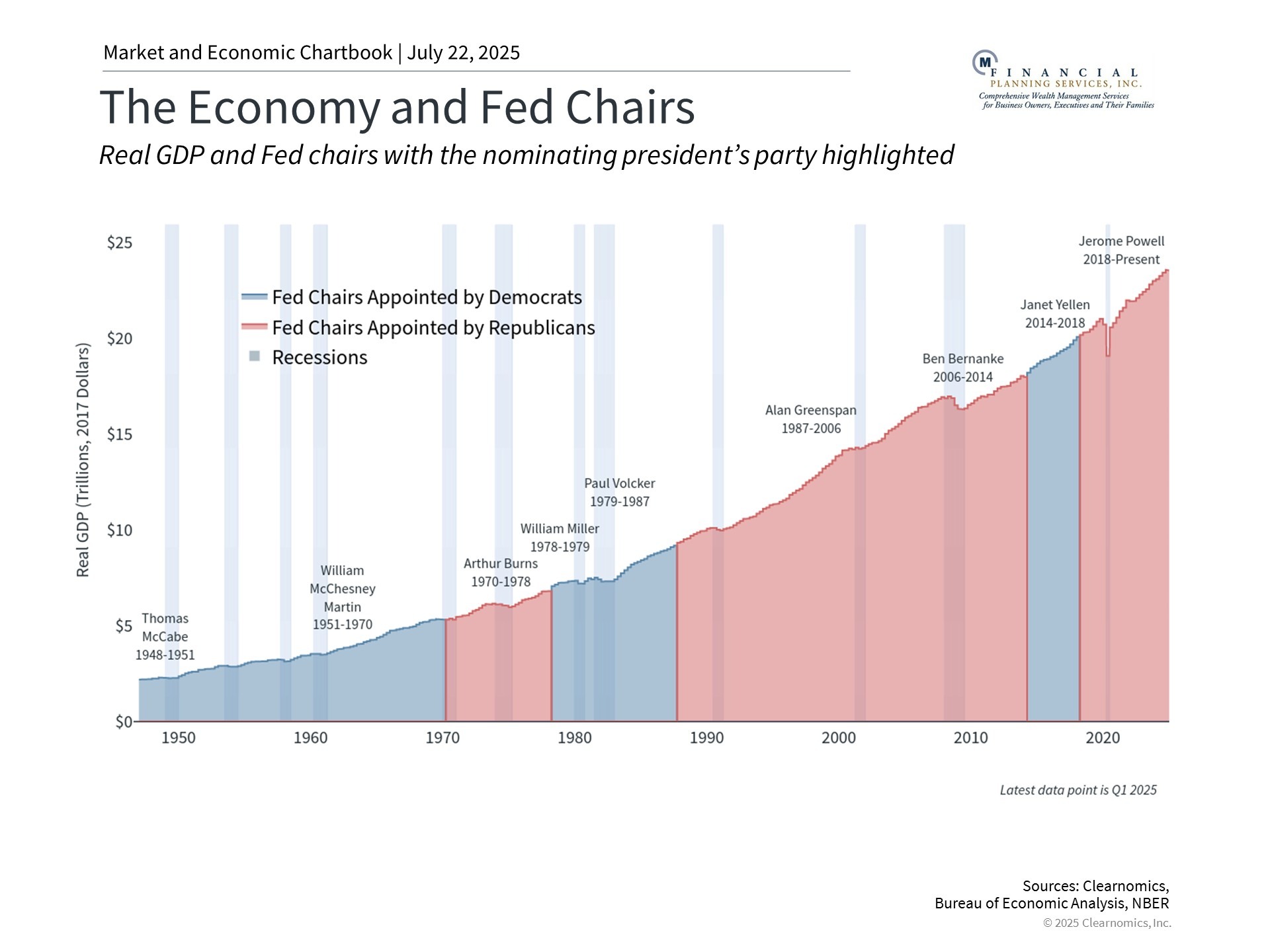
The chart shows nine Fed chairs since 1948. Most worked under presidents from both political parties. Jerome Powell was first chosen by President Trump in 2017, then kept on by President Biden. The economy has grown under Fed chairs chosen by both parties.
Fed independence means the central bank can make decisions without political pressure. This lets them focus on what's best for the economy long-term. The Fed was created by Congress in 1913, not by the Constitution. Today, the Fed has two main jobs: keep unemployment low and keep inflation around 2%.
After the Great Depression in the 1930s, changes were made to give the Fed more independence from politics. During World War II, the Fed helped keep interest rates low to fund the war. But in 1951, an agreement restored the Fed's independence to make its own decisions about interest rates.
Today's economic situation is complex
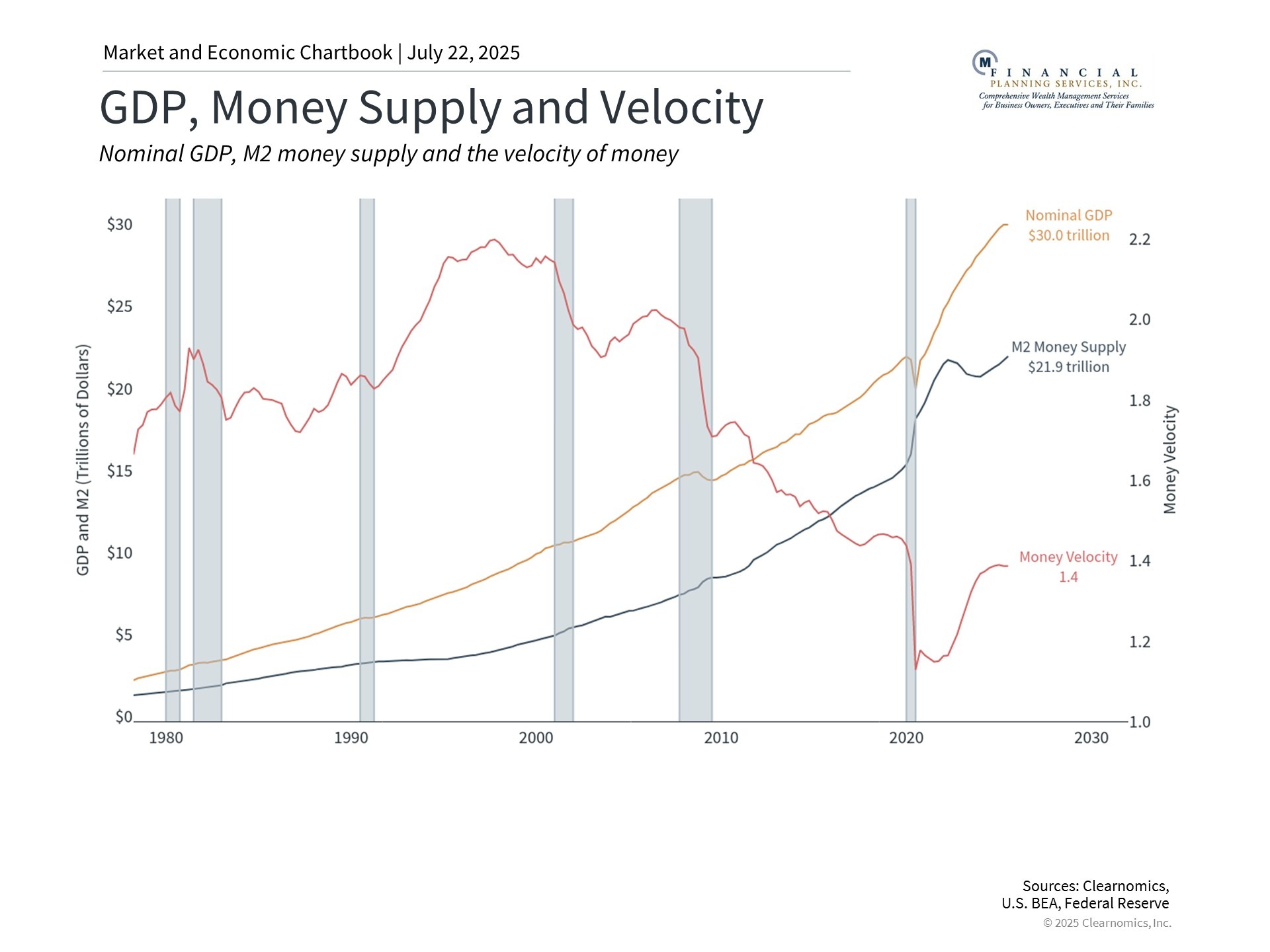
Today's situation is similar to the 1970s and early 1980s. Back then, President Nixon wanted easy money policies to help his re-election campaign. Fed Chair Arthur Burns went along with this, which helped cause high inflation in the following years.
In the early 1980s, Fed Chair Paul Volcker had to raise interest rates very high to stop inflation. This caused a recession but ended the period of high inflation and slow growth. Volcker faced political pressure not to raise rates before elections.
Today, inflation is coming down but still above the Fed's 2% target. The latest report shows overall inflation at 2.7% and core inflation at 2.9%. The Fed is also watching to see if tariffs (fees on imported goods) will push prices higher.
The Fed is expected to lower rates this year
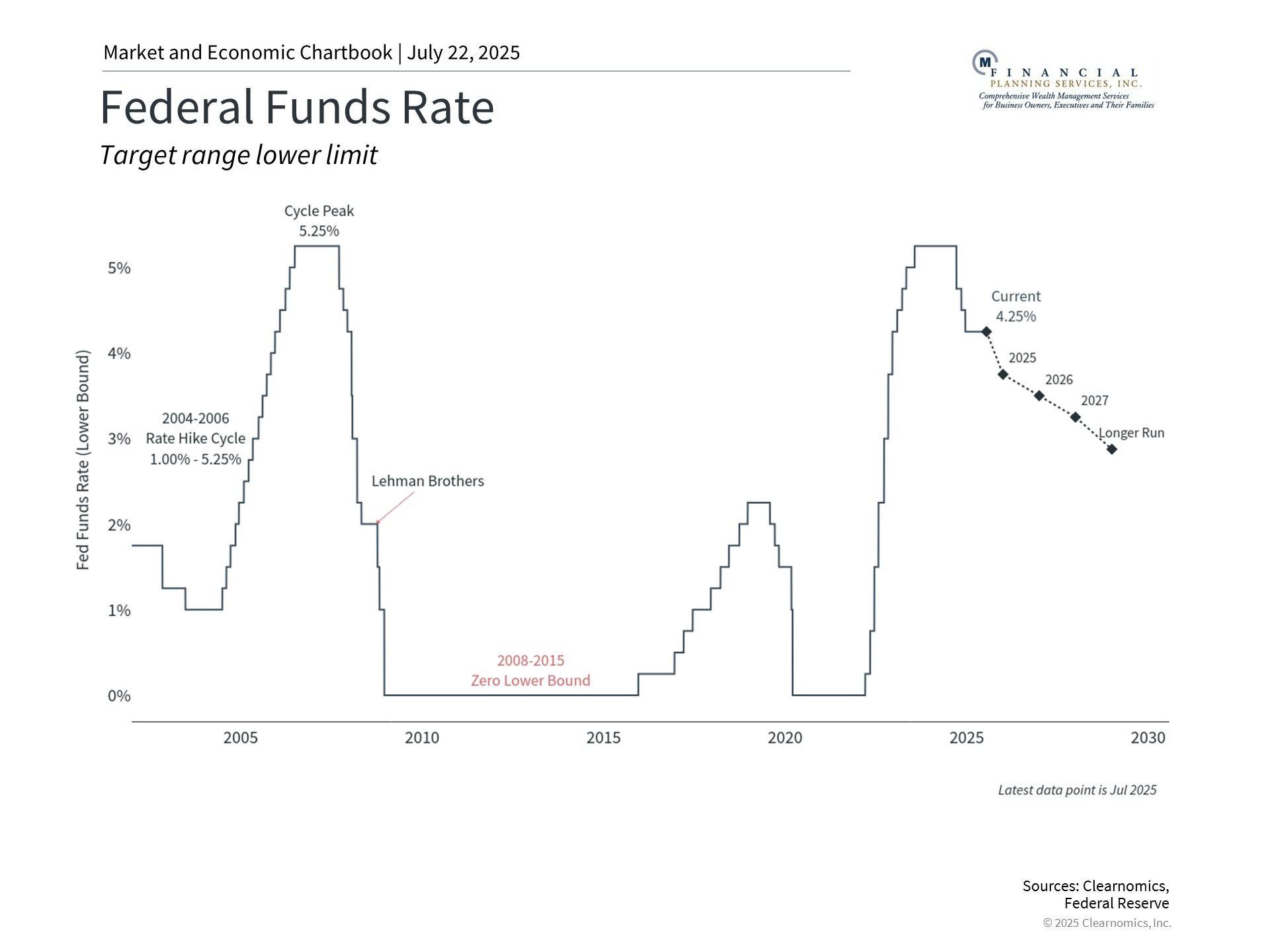
Despite political tensions, the Fed is expected to cut interest rates further in 2025. It paused rate cuts at the end of 2024 due to uncertainty about tariffs and their effect on prices.
The Fed's job is to balance economic growth with price stability. When the economy grows too fast, the Fed may raise rates to cool it down. When the economy is weak, lower rates can help boost growth. This balancing act is always challenging, and the Fed often gets criticized for acting too late.
For investors, what matters is not debating what the Fed should do, but having a long-term investment plan. History shows that markets have performed well despite changes in Fed leadership and policy uncertainty.
The bottom line? Markets and the economy have done well under many different Fed policies and political situations. Sticking to a long-term investment plan is still the best way to reach your financial goals.
1. https://www.aeaweb.org/articles?id=10.1257/jep.20.4.177
2. Volcker, P. A. (2018). Keeping At It: The Quest for Sound Money and Good Government
The content is developed from sources believed to be providing accurate information. The information in this material is not intended as tax or legal advice. Please consult legal or tax professionals for specific information regarding your individual situation. The opinions expressed and material provided are for general information, and should not be considered a solicitation for the purchase or sale of any security.