

The fighting between Israel and Iran has caused worry in financial markets around the world. Israeli attacks on Iranian military sites started on June 13 and led to strikes back from Iran. The situation is still changing, but there are reports that Iran might be willing to stop fighting and talk about its nuclear programs. This is happening while the war between Israel and Gaza continues.
While the human cost is most important, investors need to understand how these events affect their money. Many investors worry that conflicts like this could turn into bigger world wars. While this is possible, recent history shows this usually doesn't happen. Even serious conflicts like Russia invading Ukraine and the attack on Israel stayed limited and only caused short-term drops in stock prices.
This doesn't make these conflicts less serious. But it reminds us that making big changes to our investments because of these events can hurt our returns. During times like this, it's important to stay calm and focus on what history teaches us about long-term investing.
Fighting in the Middle East has gotten worse
The recent fighting shows tensions between Israel and Iran are getting worse. Israeli forces hit Iranian nuclear sites and military leaders. Iran fought back with missiles and drones that reached Israeli territory. Both sides have damaged important buildings like gas facilities and oil refineries.
The chart shows how big world events have affected markets over the past 25 years. This includes Middle East conflicts that changed oil prices, like when Iran attacked Saudi Arabia with drones in 2019. These events show that while markets can swing up and down in the short term, they usually recover from world conflicts within weeks or months. What mattered more was how the overall economy was doing.
Oil prices have moved up and down a lot
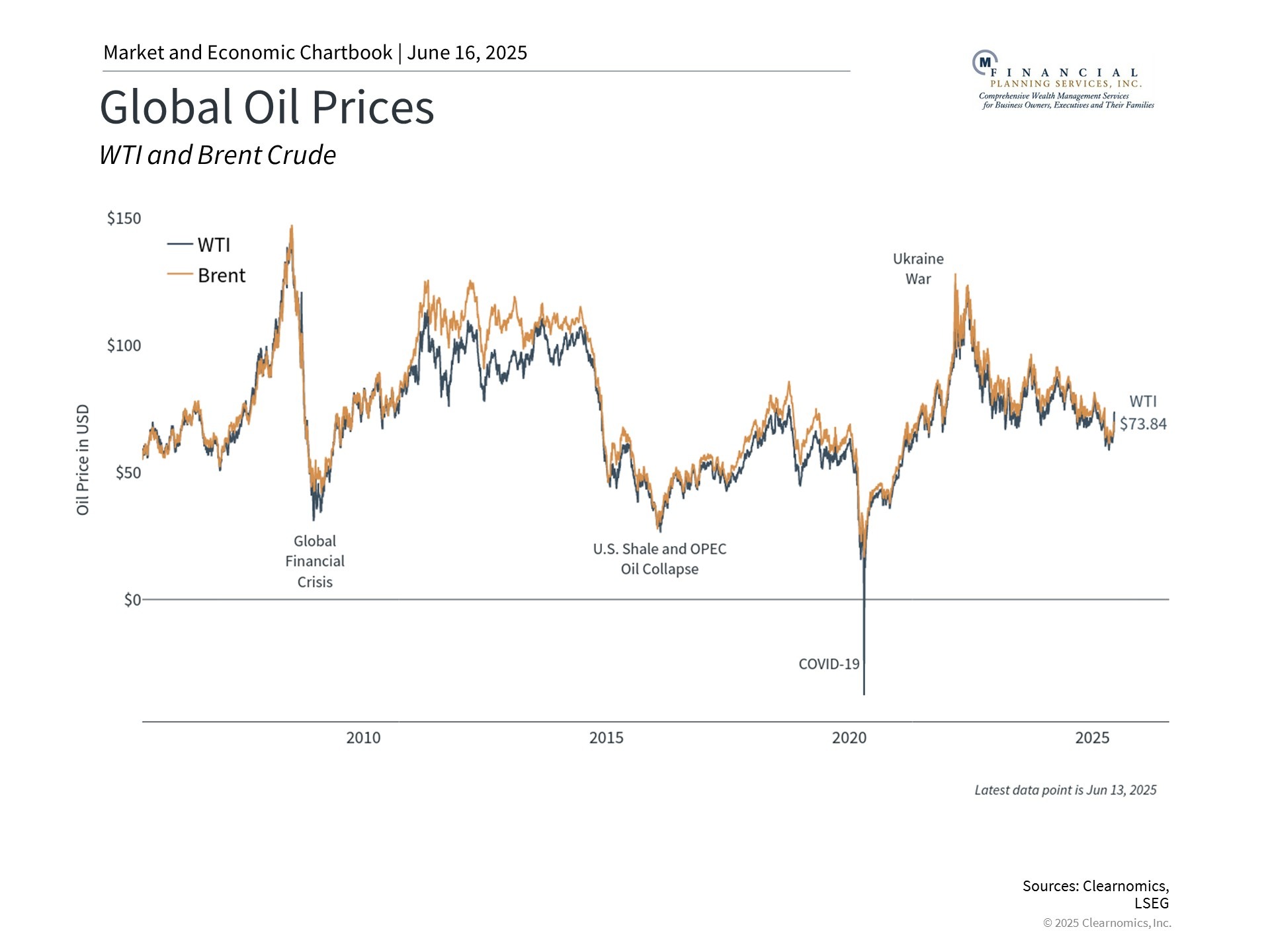
Oil prices are one way that local conflicts affect the rest of the world. When the latest fighting started, oil prices went up to over $74 per barrel. Oil prices are still moving around but fell back toward $70 per barrel when it looked like the fighting might calm down.
Oil prices matter because oil is used to make and move almost everything we buy. Higher oil prices mean more expensive gas and shipping costs, which makes things cost more for everyone. The fighting could also close important shipping routes like the Strait of Hormuz, where about one-third of the world's oil passes through.
But it's important to remember that current oil prices aren't that high compared to recent years. While the recent changes are big, prices are still much lower than in 2022 when oil cost over $120 per barrel during the Russia-Ukraine conflict. Current prices around $70 are normal for the past few years.
The U.S. now makes much more of its own oil than it used to. America produces over 13.5 million barrels per day and is actually the world's biggest producer of both oil and natural gas. While the U.S. still buys some foreign oil, having our own supply helps protect our economy and stock market from oil price swings.
How wars affect investments depends on the economy
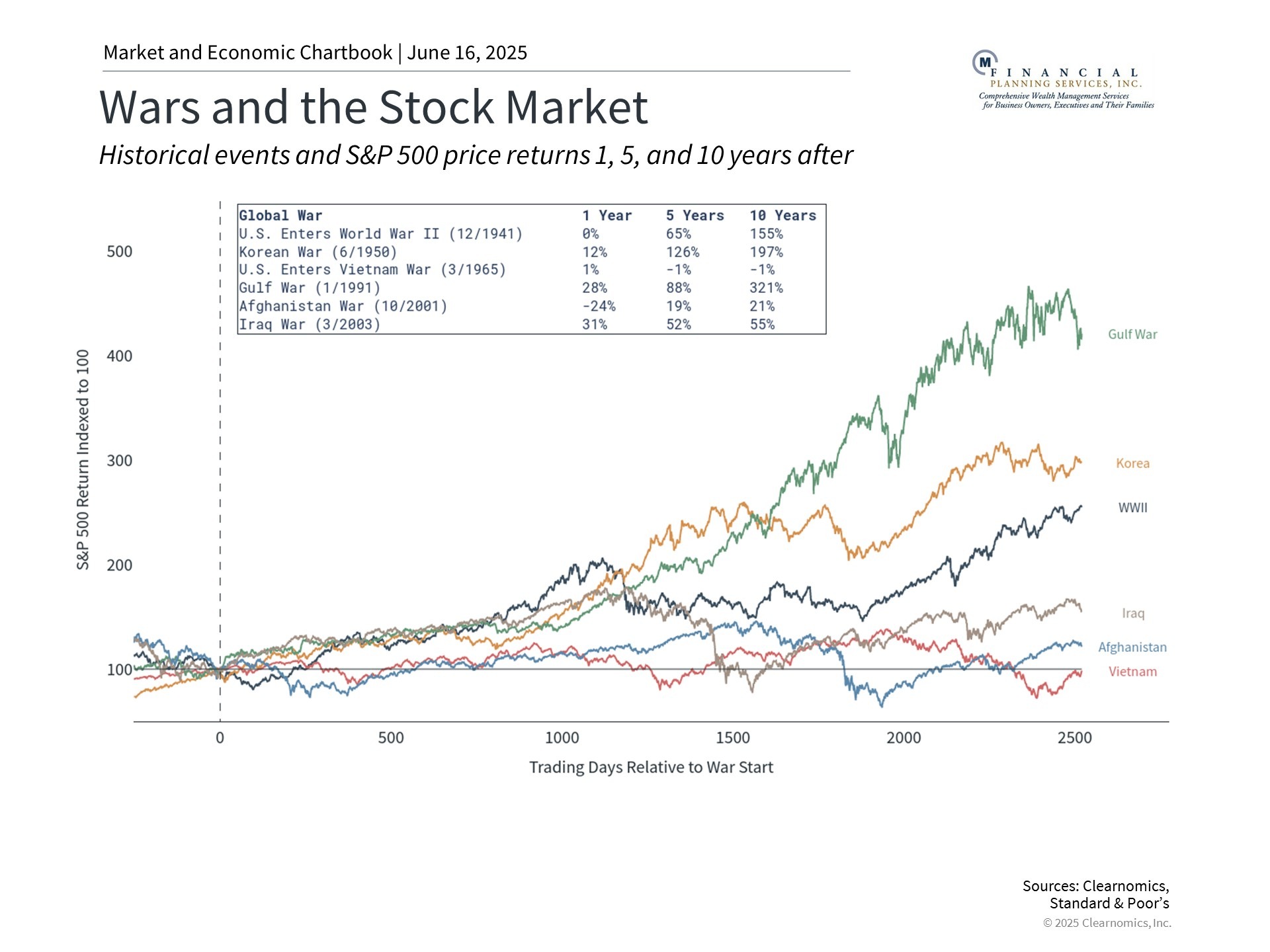
For investors worried about conflicts around the world, looking at the big picture can help. From World War II to the Iraq War, markets might react to wars in the short term, but long-term performance depends on basic economic factors.
For example, World War II helped boost factory production after the Great Depression and brought more women into the workforce. These changes helped the economy grow for decades. The Gulf War affected oil prices but also happened during the technology boom of the 1990s. In contrast, the decade after the Vietnam War had high oil prices and inflation, which hurt market performance.
For the current situation, much depends on whether the conflict gets bigger or starts to calm down. While the involvement of major countries and threats to important trade routes make things complicated, history shows that even big regional conflicts usually don't hurt global financial markets for long.
The bottom line? While Middle East tensions have caused short-term market ups and downs, investors should stay calm and avoid making big changes based on news headlines. Keeping a portfolio focused on long-term financial goals remains the best way to handle periods of world uncertainty.