

Stock markets reached new record highs in August, and bonds also helped investor portfolios. This happened even though there were concerns about tariffs, Federal Reserve decisions, and technology company stocks. The month started with the U.S. putting tariffs (trade fees) on most major trading partners after a 90-day waiting period ended. A federal court later said these "reciprocal tariffs" are not legal, which could lead to a Supreme Court case.
Markets dropped in the middle of the month because investors worried the Fed might keep interest rates high to fight inflation (rising prices). Recent price reports show that companies are starting to charge customers more to make up for tariff costs. But markets bounced back when companies reported better profits than expected and investors became more confident the Fed would lower rates in September.
Companies reported strong profits
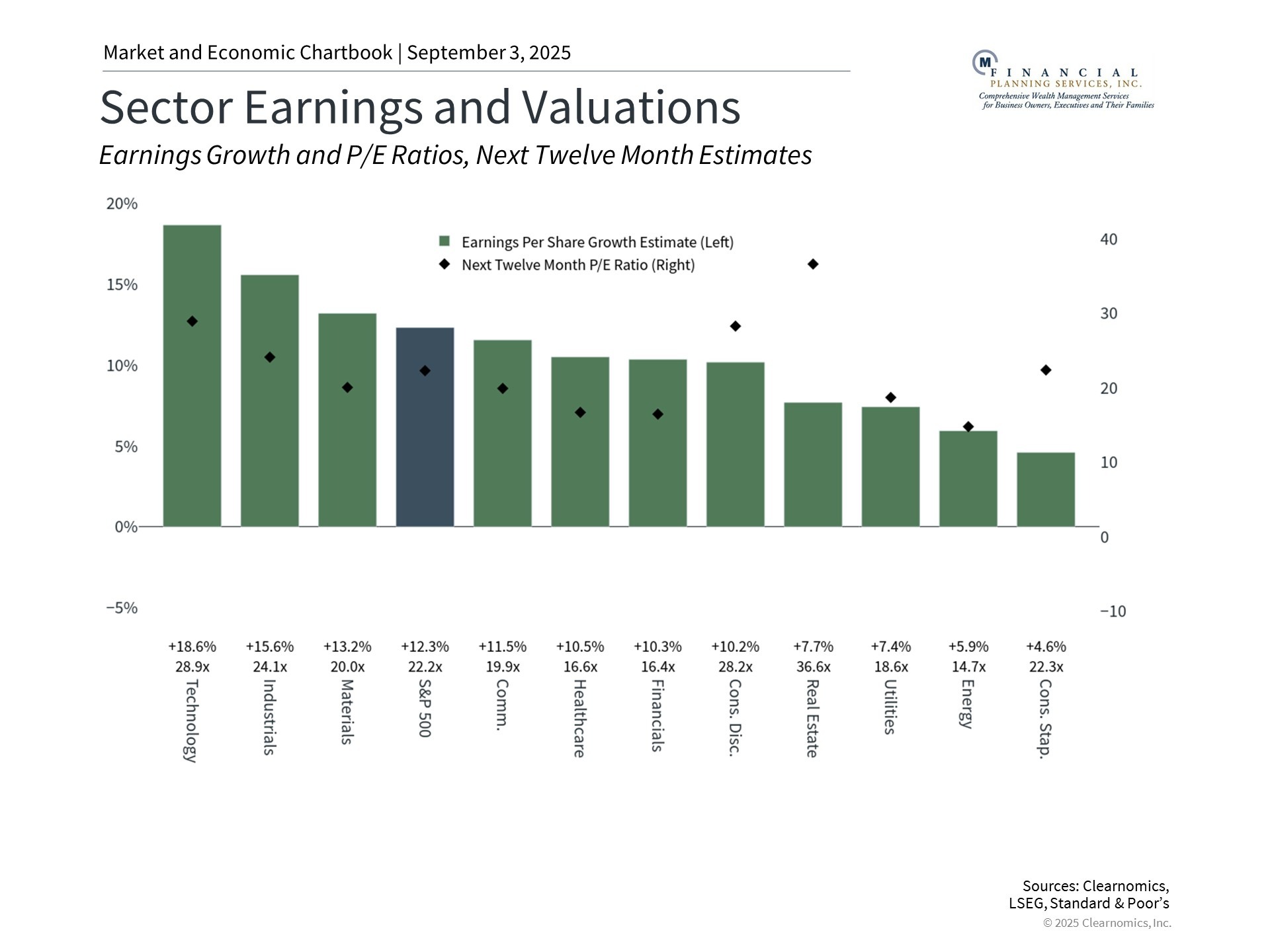
While daily news can move markets in the short term, company profits and stock prices compared to earnings drive long-term returns. Stock prices are quite high compared to history, but this makes sense because companies keep growing their profits at a good pace.
The latest earnings reports show that 81% of S&P 500 companies (the 500 largest U.S. companies) beat profit expectations. This is the highest percentage since late 2023, showing the economy and companies are stronger than many thought.1 It also shows how well companies can adapt to tariffs and find ways to grow despite policy uncertainty.
The Fed may lower interest rates
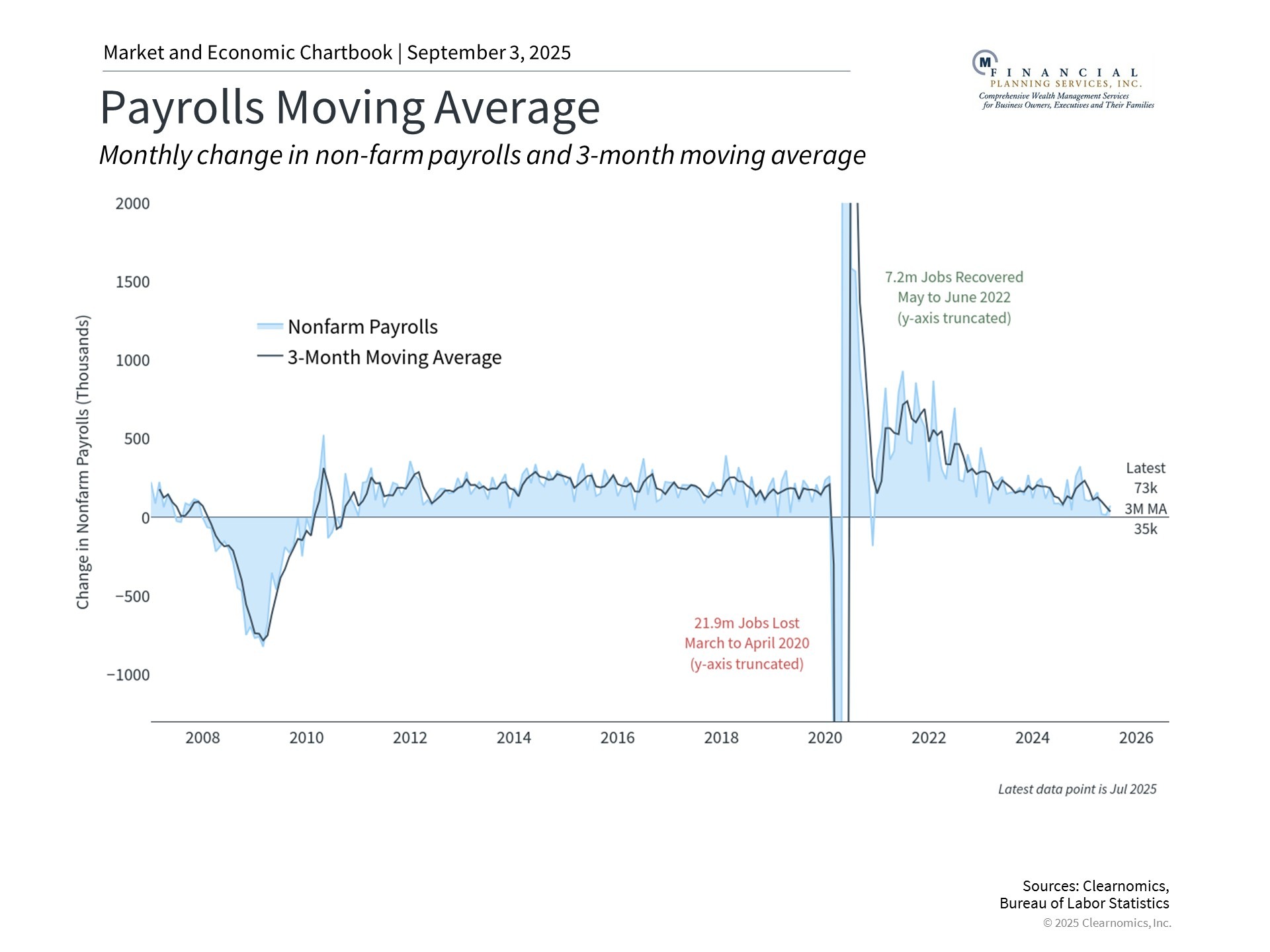
Companies that sell directly to consumers had mixed results because people are changing their spending habits. Tariffs make this worse as companies pass more of these costs to customers. Combined with weaker job data, markets started expecting the Fed to cut rates starting in September.
Fed Chair Jerome Powell gave a speech that clearly suggested the central bank is ready to start lowering interest rates after keeping them steady this year. The Fed has two main jobs: keep inflation (rising prices) steady and unemployment low. They've kept rates high because of stubborn inflation and a strong job market. Early signs of job market weakness could push the Fed toward careful rate cuts.
Lower rates could help different investments
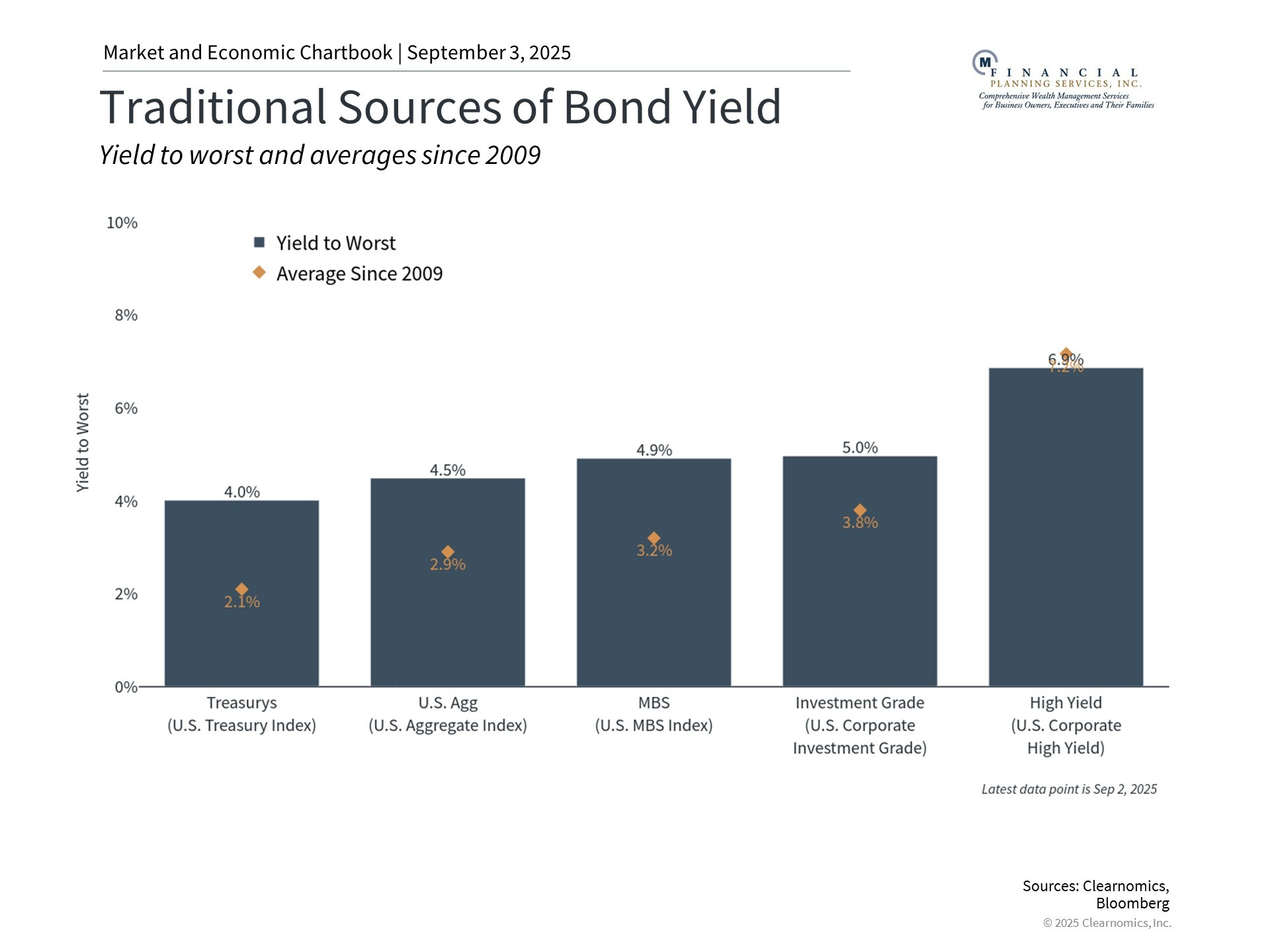
The possibility of Fed rate cuts could create opportunities for different types of investments. Lower rates support economic growth, make borrowing cheaper for companies, and make future company profits more valuable today. For bonds (loans to companies or governments), lower rates increase the value of existing bonds that pay higher interest.
Bond interest rates have stayed in a narrow range this year, with 10-year Treasury bonds generally between 4.0% and 4.5%. Even if short-term rates fall as the Fed cuts, many bond types are providing good income levels. These rates are well above historical averages and help balanced portfolios.
The bottom line? Markets hit new record highs in August despite many policy worries. Strong company profits and economic growth continue to support portfolios despite ongoing uncertainty.
1.https://advantage.factset.com/hubfs/Website/Resources%20Section/Research%20Desk/Earnings%20Insight/EarningsInsight_082925.pdf
The content is developed from sources believed to be providing accurate information. The information in this material is not intended as tax or legal advice. Please consult legal or tax professionals for specific information regarding your individual situation. The opinions expressed and material provided are for general information, and should not be considered a solicitation for the purchase or sale of any security. All investing involves risk including loss of principal. No strategy assures success or protects against loss. Past performance is no guarantee of future results.